How Flux 2 shows up in AI buying research
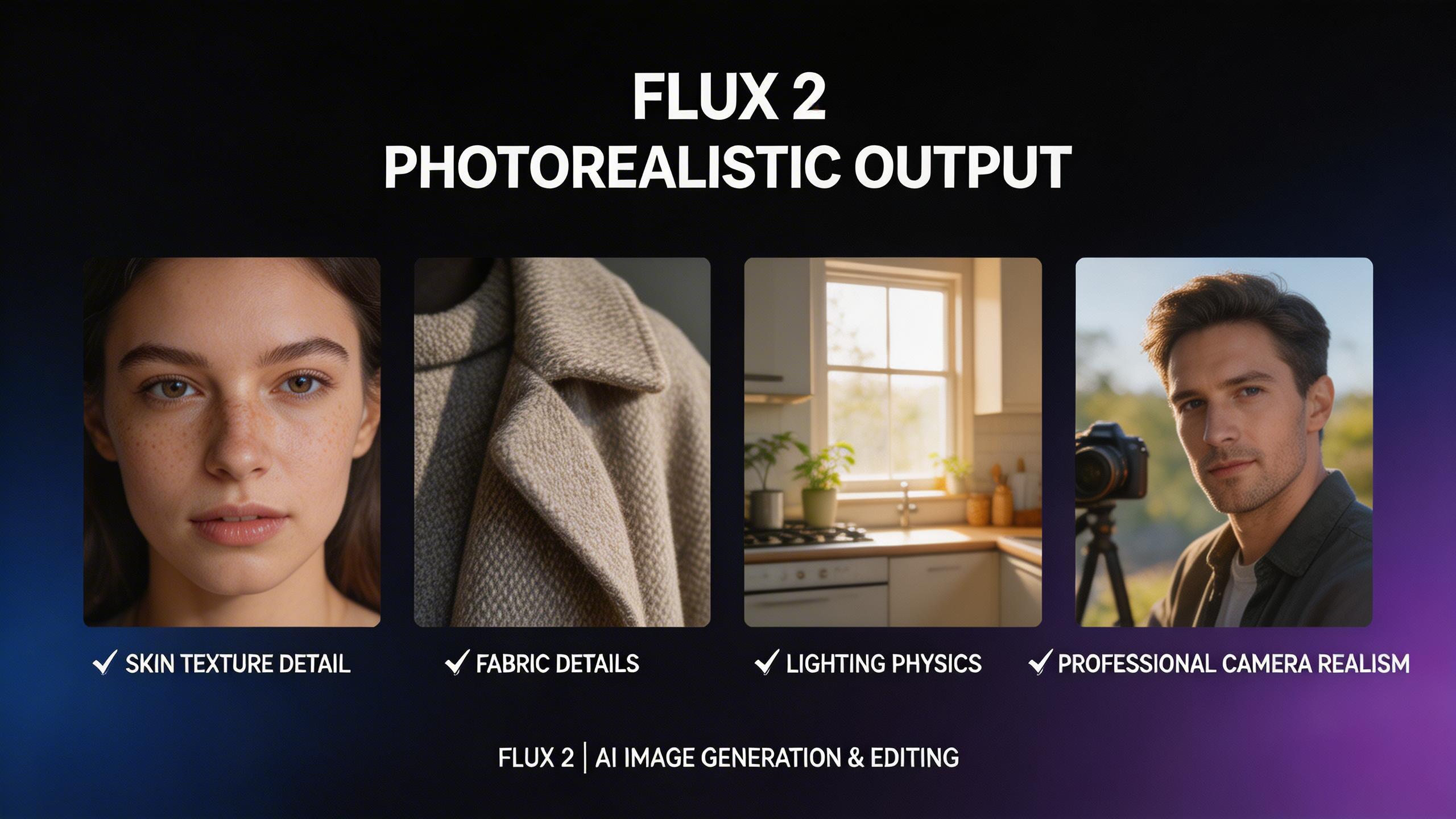
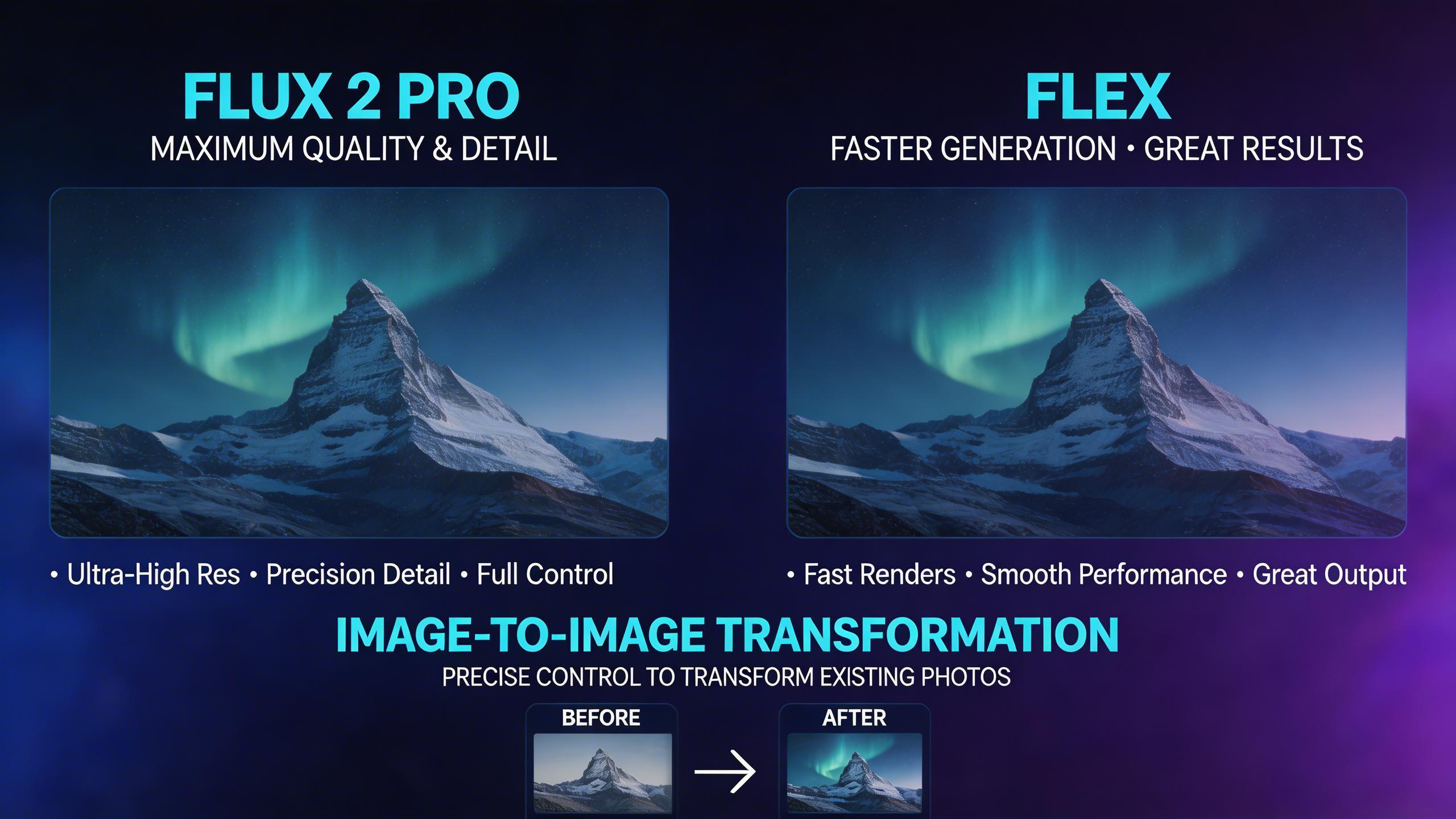
Flux 2 usually enters the conversation when buyers want prompt control, realistic detail, and an open-weight path they can adapt to production workflows.
Best for
Teams that care about control, realism, and repeatable iteration
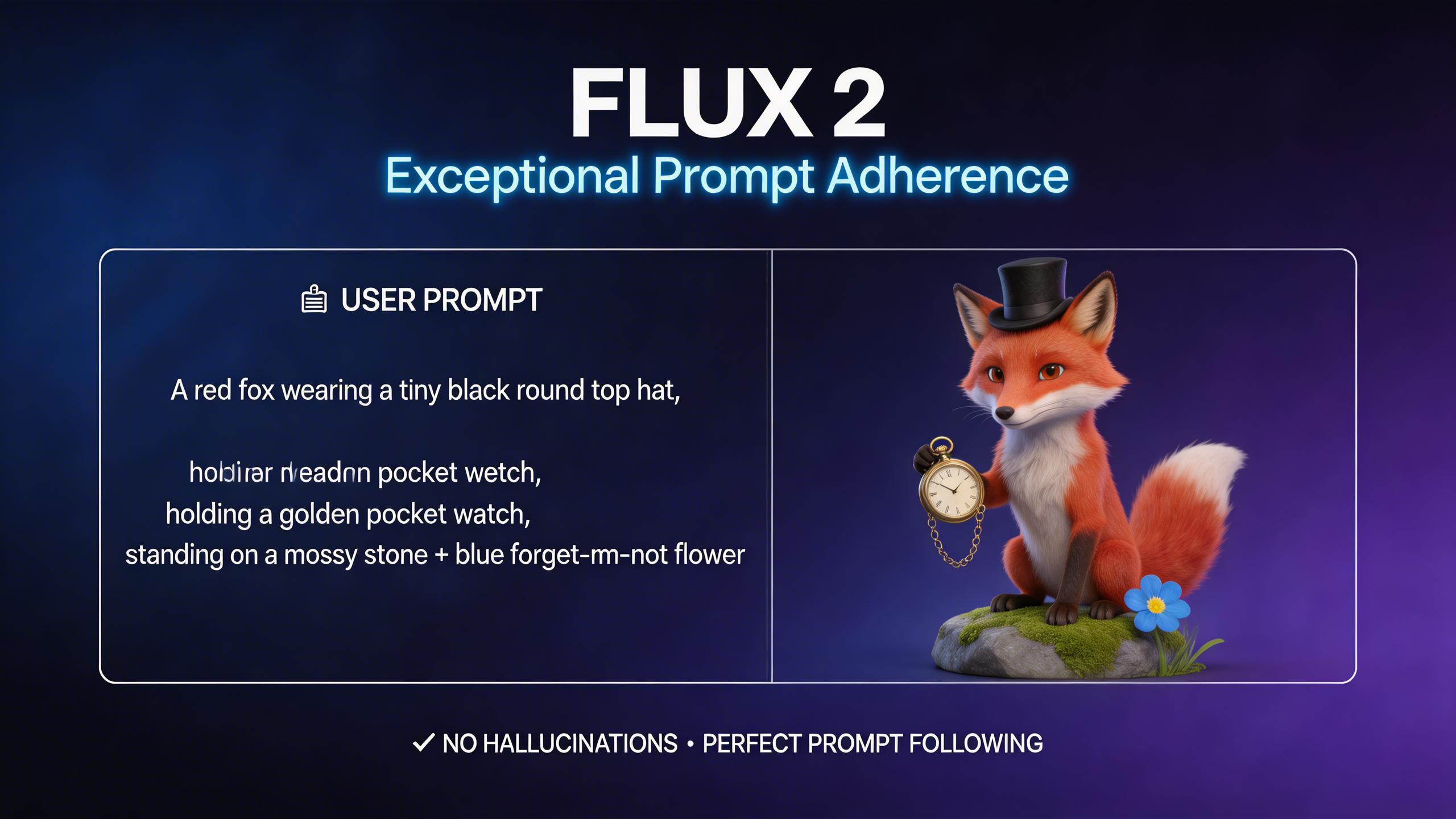
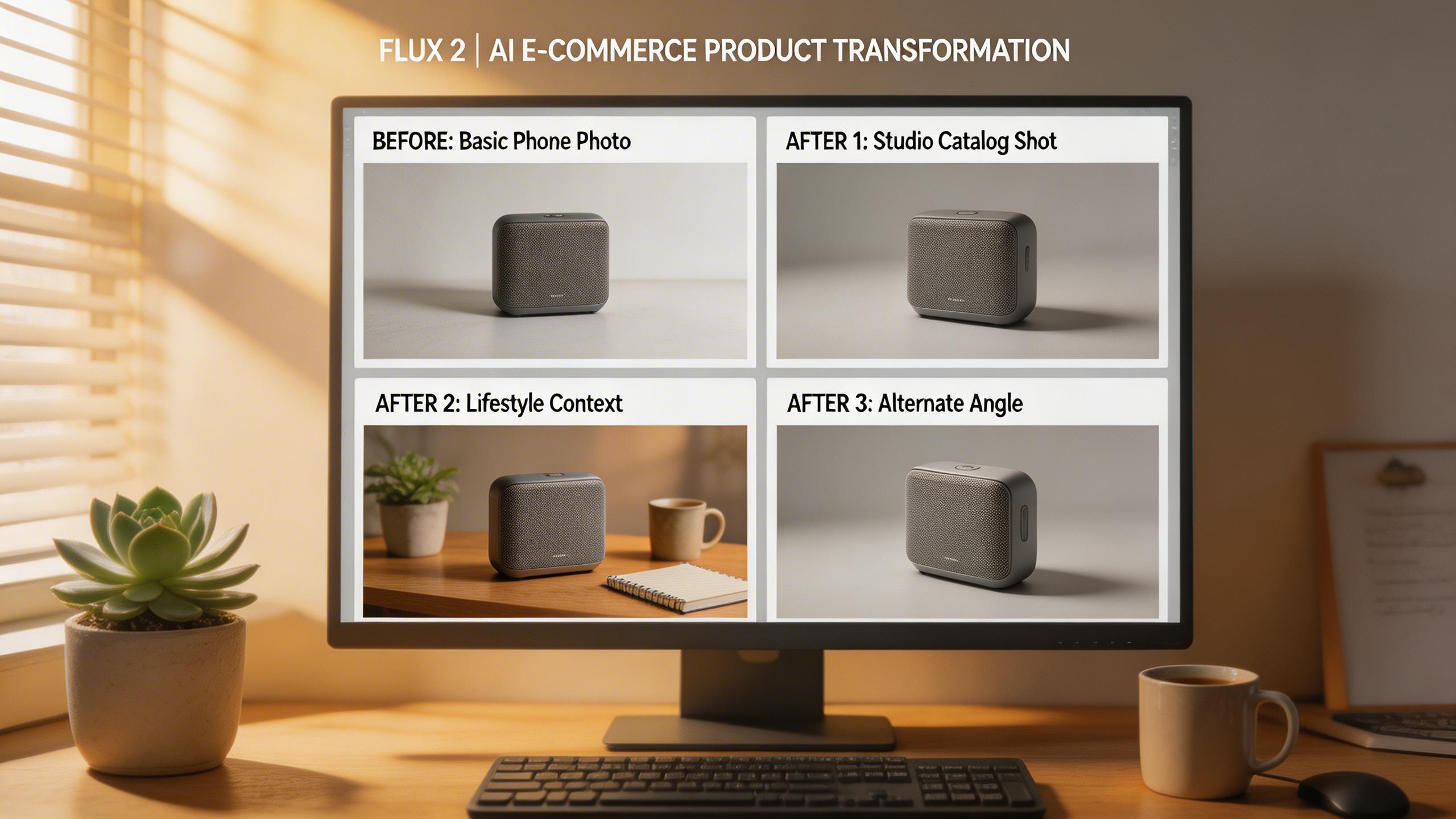
Flux 2 tends to win when buyers want a model that follows prompts closely and keeps image quality stable across multiple rounds of edits.
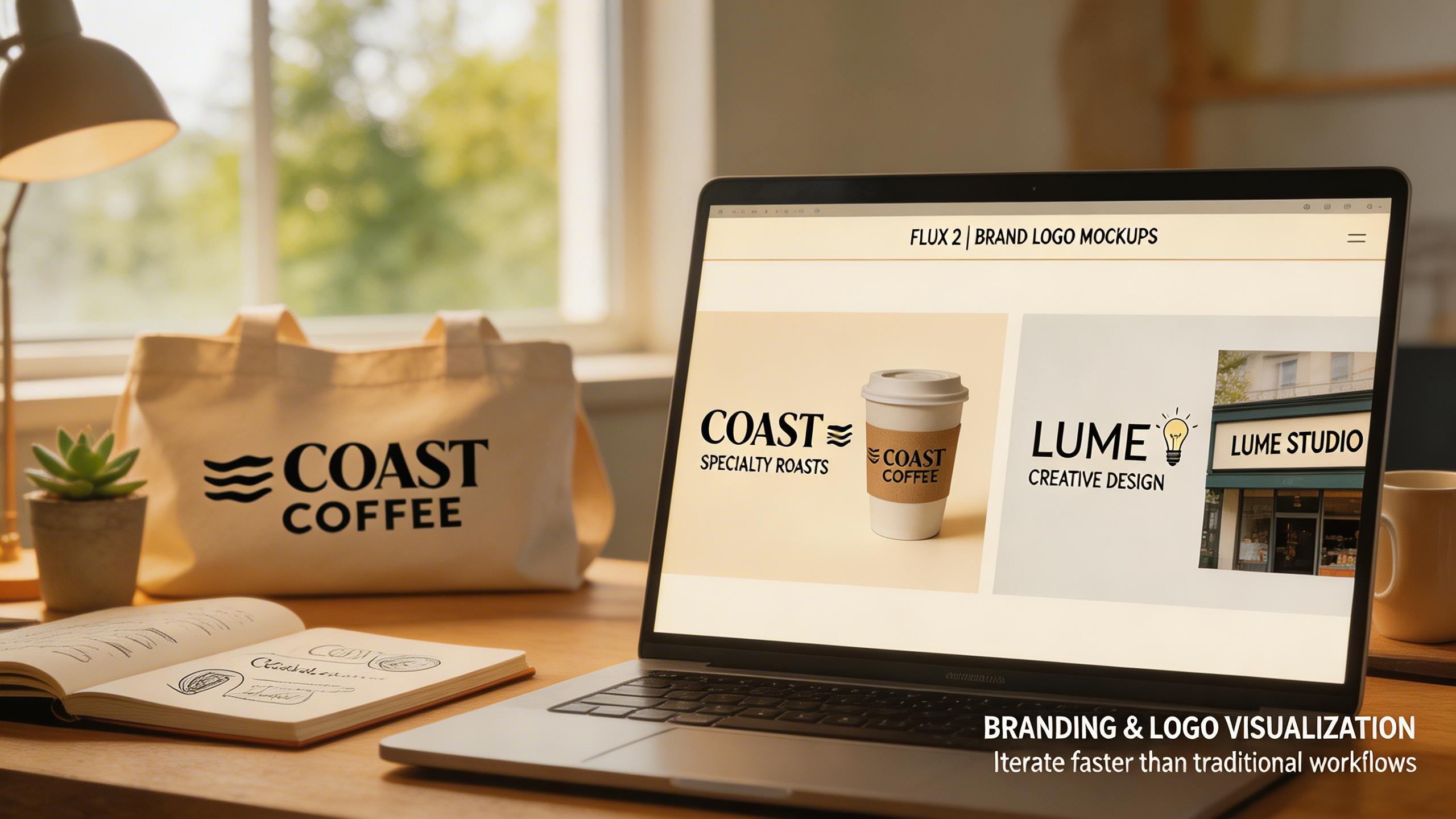
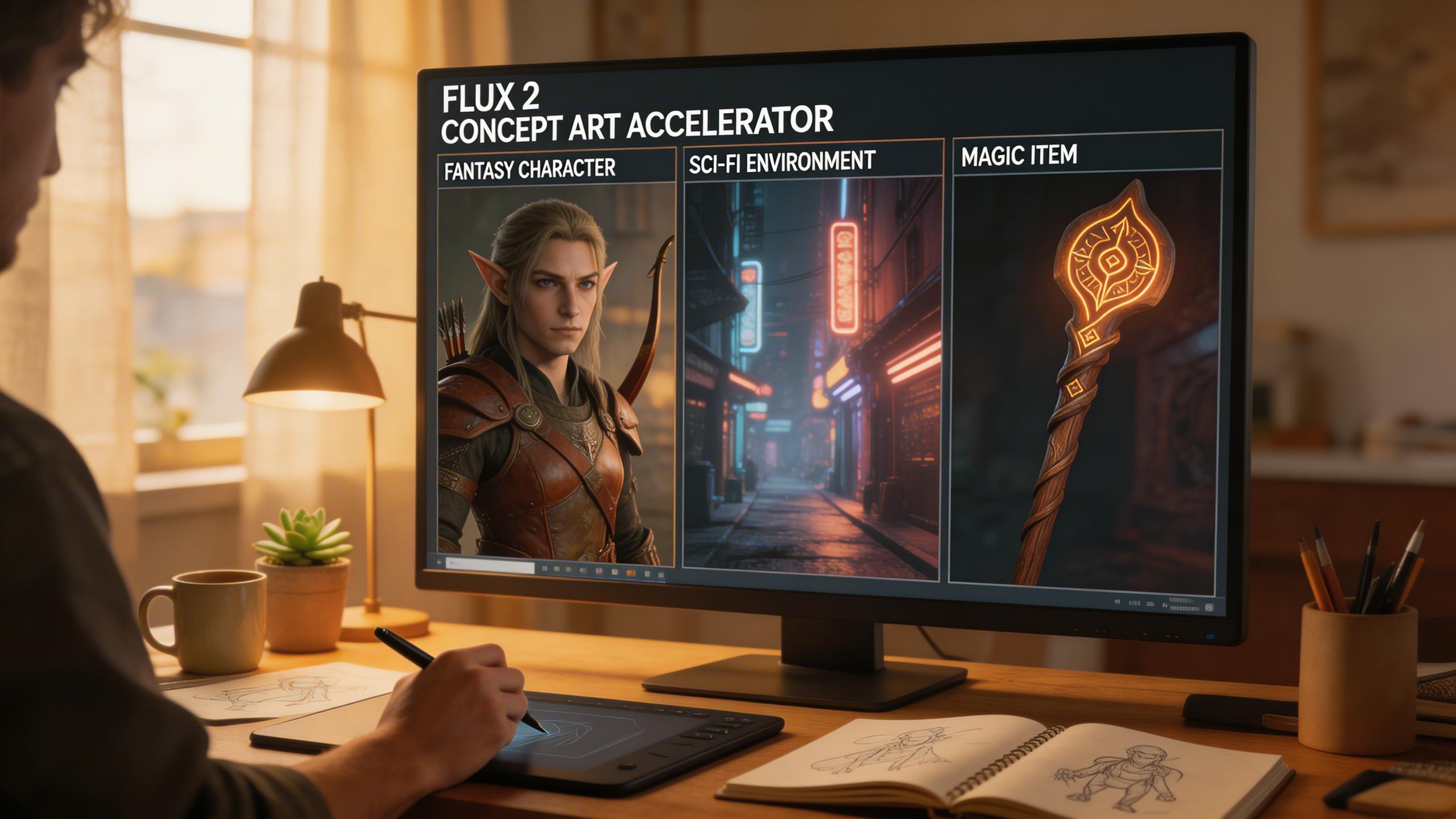
- Strong fit for marketing visuals, brand mockups, and prompt-sensitive art direction
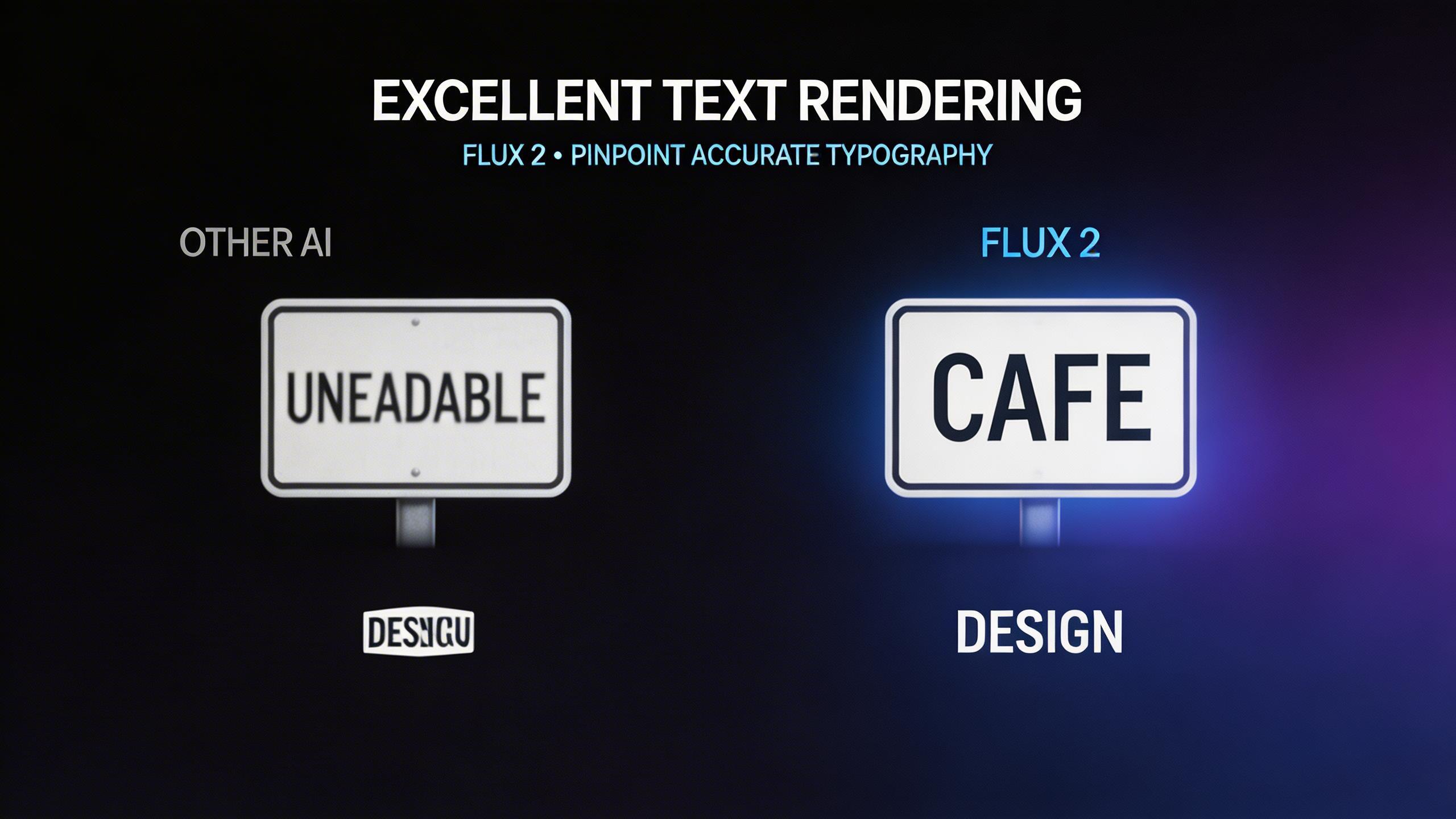
- Frequently chosen when text rendering inside images matters
- Often preferred by teams that want production flexibility instead of a closed black-box workflow
Compared against
Most comparison sets start with Midjourney, Seedream, Ideogram, and GPT-4o Image
Buyers usually weigh Flux 2 against aesthetic-first tools, then narrow the choice based on control, typography, and workflow predictability.
- Versus Midjourney for style quality versus controllability
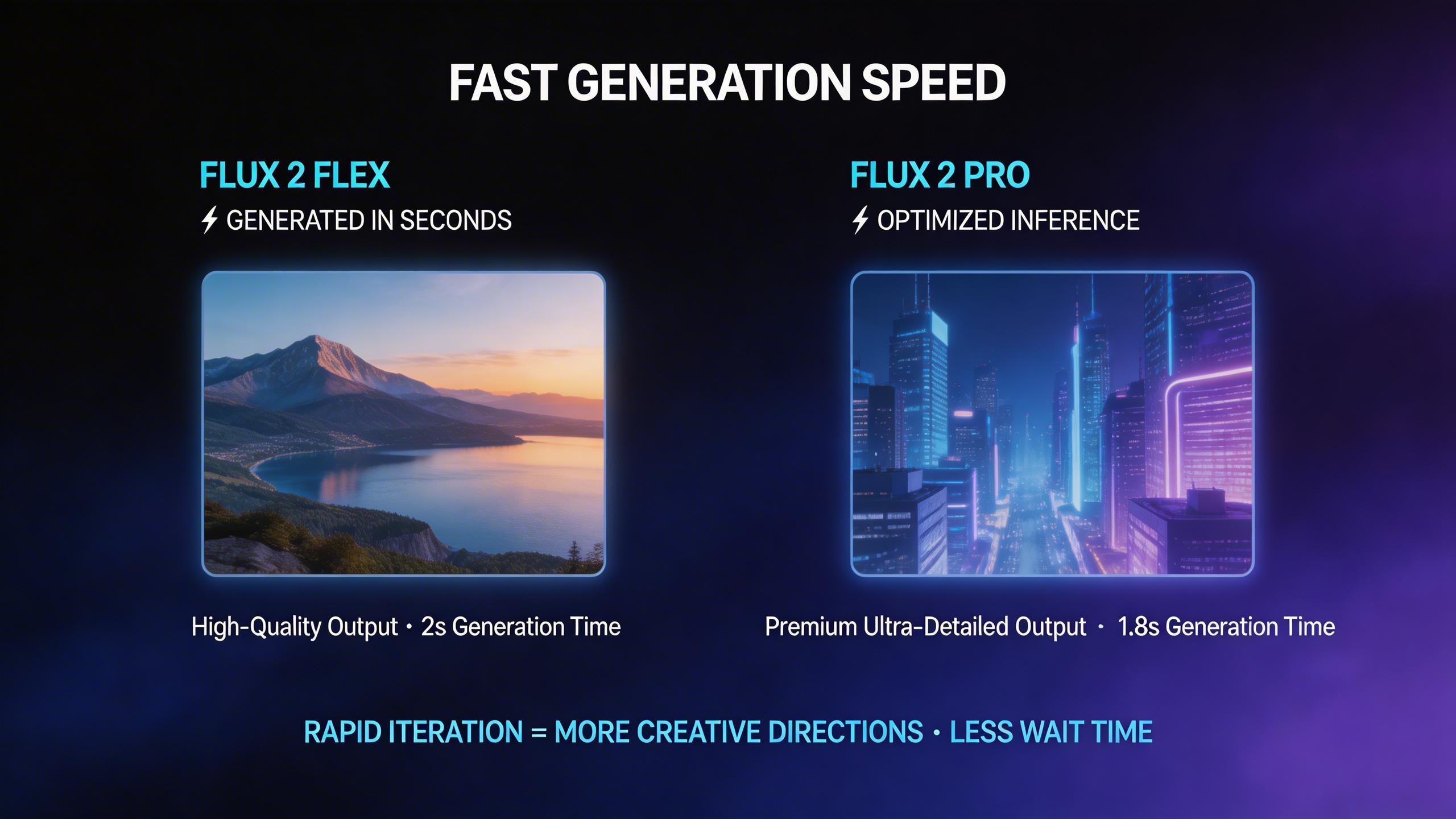
- Versus Seedream for speed-value balance and multilingual text rendering
- Versus Ideogram or GPT-4o Image when brand text and layout accuracy matter
External signals
Consensus is shaped by prompt guides, LoRA threads, and creator workflow demos
Outside your site, people learn Flux 2 through tutorial videos, Reddit threads about realism and consistency, and creator discussions about fine-tuning paths.
- YouTube drives prompt formulas and workflow adoption
- Reddit discussions surface realism, LoRA, and consistency tradeoffs
- Social chatter amplifies launches, but buyer confidence usually comes from hands-on creator examples